Brand Design in the Digital Age: Beyond Logos and Colors
GLHF TeamDecember 15, 20257 min read
Brand DesignVisual IdentityDesign SystemDigital Branding
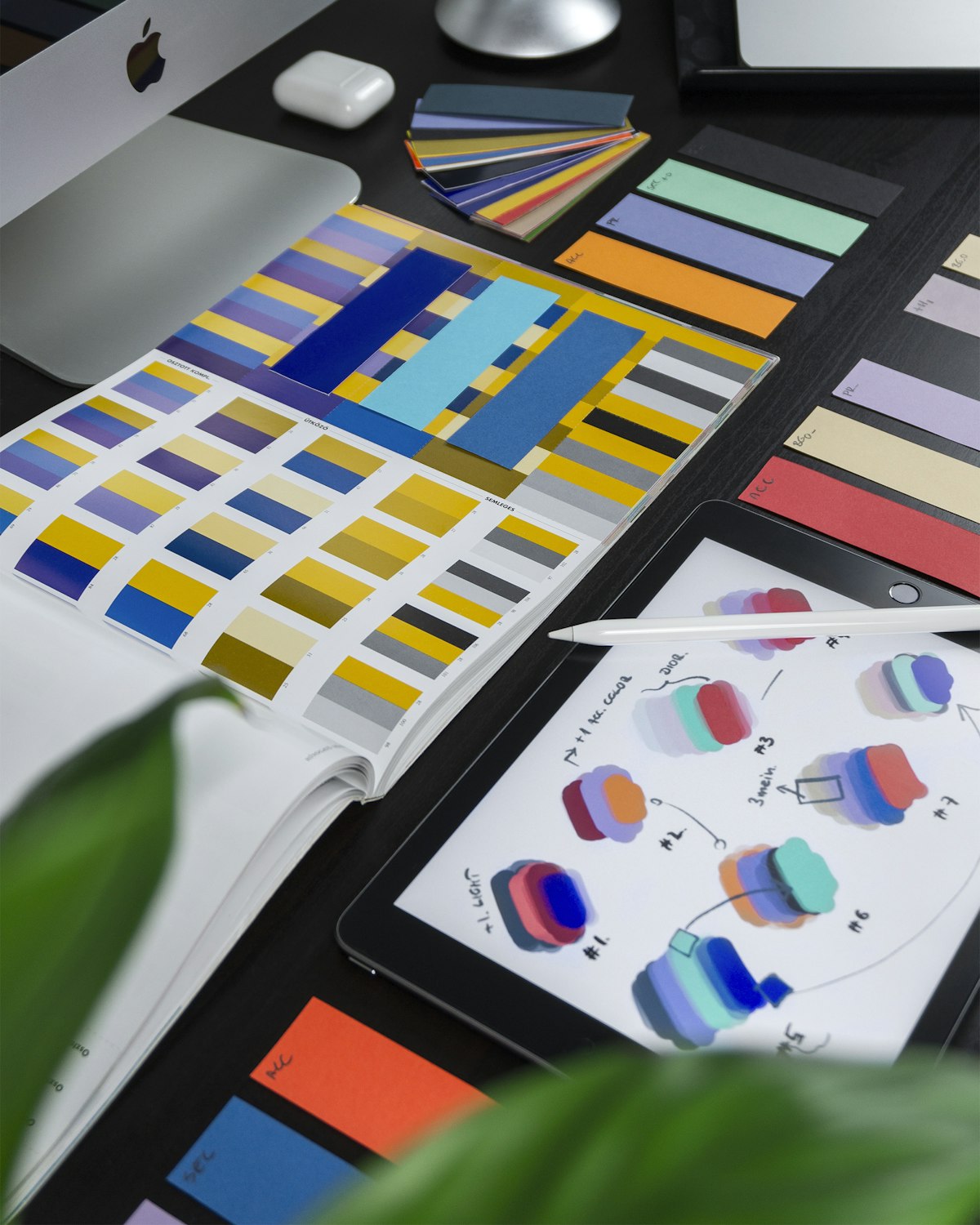
Brand Is More Than a Logo
In the digital age, your brand is experienced across dozens of touchpoints simultaneously. A logo alone won't cut it. You need a comprehensive design system that creates consistent, memorable experiences everywhere.
The Brand Design System
A modern brand design system includes:
- Visual identity — Logo, colors, typography, imagery style
- Voice and tone — How you write and communicate
- Motion language — How things move and animate
- Sound design — Audio branding for video and interactive content
- Spatial design — How your brand occupies digital and physical space
Color Psychology in Digital
Colors trigger emotional responses. Choose strategically:
- Blue — Trust, reliability (fintech, healthcare)
- Green — Growth, sustainability (eco-brands, wellness)
- Orange — Energy, creativity (startups, food)
- Black — Premium, sophistication (luxury, fashion)
- Red — Urgency, passion (sales, entertainment)
Typography as Brand Expression
Font choices communicate as much as words:
- Serif fonts — Traditional, authoritative, editorial
- Sans-serif fonts — Modern, clean, approachable
- Display fonts — Distinctive, memorable, personality-driven
- Monospace fonts — Technical, precise, developer-focused
Designing for Multiple Platforms
Your brand must work across:
- Website — Full expression of brand identity
- Social media — Adapted for each platform's constraints
- Email — Consistent but email-client compatible
- Mobile apps — Platform-native feel with brand personality
- Print — Digital-first brands still need physical collateral
Consistency vs. Flexibility
The best brands balance consistency with context:
- Fixed elements — Logo, primary colors, core typography
- Flexible elements — Secondary colors, imagery style, layout grids
- Adaptive elements — Platform-specific adjustments, seasonal variations
Measuring Brand Impact
Brand design isn't just aesthetic — it drives business results:
- Brand recognition — Can people identify you without your logo?
- Perceived value — Does your design justify your pricing?
- Conversion impact — Does better design improve conversion rates?
- Employee pride — Does your team want to share your brand?
The Investment
Great brand design is one of the few investments that appreciates over time. Every interaction reinforces (or weakens) your brand. Make every pixel intentional.